


Products Sort List
Item No.:P-10-03
Desc:255*20MM
Weight:24G/PCS
Packing:500PCS/CTN
Carton Size:46*26.5*26.5CM
1*20'GP Loaded(CNTS):880CTNS
1*40'GP Loaded(CNTS):1750CTNS
1*40'HQ Loaded(CNTS):2100CTNS
Desc:255*20MM
Weight:24G/PCS
Packing:500PCS/CTN
Carton Size:46*26.5*26.5CM
1*20'GP Loaded(CNTS):880CTNS
1*40'GP Loaded(CNTS):1750CTNS
1*40'HQ Loaded(CNTS):2100CTNS
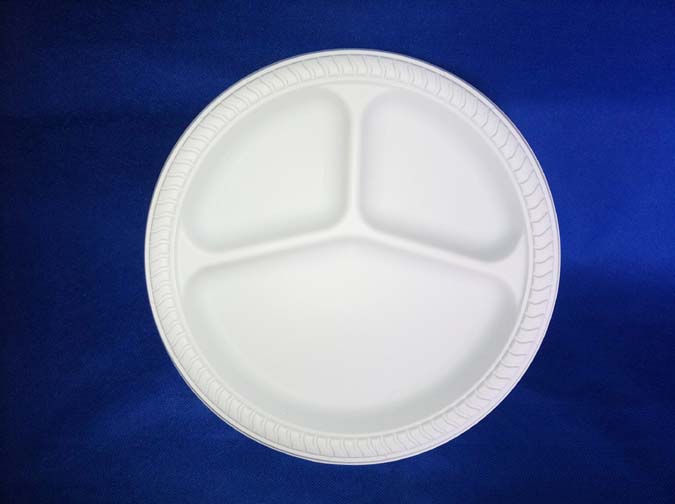

Our material is totally derived from natural resources. Thanks to our advanced technology, we are able to turn a natural renewable resource into a viable solution for the use of environmentally destroying plastics.
By using corn as our main raw material, we guarantee our raw material is organic with no contaminants, besides, we have an uninterrupted supply of raw material to allow high volume production because corn grow naturally easily and quickly.
Characteristic:
Natural and environmental friendly
Hygienic – Suitable for used with foods. Food grade raw material is used.
can service within a temperature range of -20℃ to 120℃.
Microwavable(Less 5 minutes)
Acid, alkali and oil resistant
Quick facts:
CO2 emissions: 1kg of plastic emits 3.4kg of CO2 when incinerated compared to 1.14 kg of CO2 emissions when Origo™ is burnt.
Energy used: 1 kg of plastic uses 85.9 mega joules of energy when burnt.
1 kg of products used 25.4 mega joules of energy when burnt.
Carbon Neutral
Bio-plastics, made of natural raw materials, primarily corn and yam starch, are carbon-neutral. This means that the quantity of carbon dioxide released when incinerated is up to 70% less than conventional plastics.
Here’s an example to illustrate the concept of carbon neutrality:
A corn plant takes in carbon dioxide from the atmosphere as it grows.
1 unit of the carbon dioxide is "stored" in the corn.
This corn, together with the 1 unit of carbon dioxide, is made into CornWare.
When CornWare is incinerated, the same 1 unit of carbon dioxide is released back into the atmosphere
The net amount if carbon dioxide in the atmosphere has not increased! Plastics, on the other hand, releases new carbon dioxide into the atmosphere when burnt, contributing to the greenhouse gases.
In addition, no toxic gases will be released during burning and the ash that is produced is non-toxic. It will not cause land and water pollution when they are eventually dumped in a landfill.